
Introduction
Renewable energy is transforming the way the world produces and consumes power. As concerns about climate change, environmental sustainability, and energy security continue to grow, countries and businesses are investing heavily in clean energy solutions. Renewable energy sources such as solar, wind, hydropower, geothermal, and biomass are helping reduce dependence on fossil fuels while creating a more sustainable future.
In this article, we will explore how renewable energy is shaping the future of the world and why it is becoming one of the most important industries of the 21st century.
What Is Renewable Energy?
Renewable energy comes from natural sources that are continuously replenished. Unlike coal, oil, and natural gas, renewable resources can be used without being depleted. Common forms of renewable energy include:
- Solar Energy
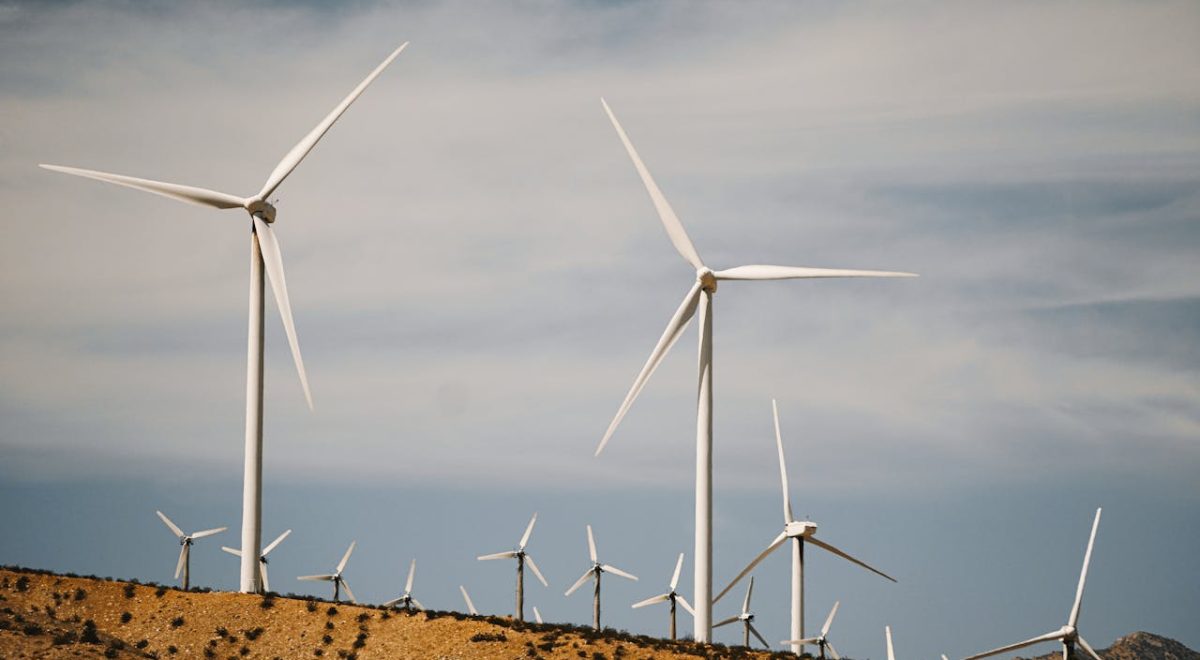
- Wind Energy
- Hydropower
- Geothermal Energy
- Biomass Energy
These energy sources produce electricity with significantly lower environmental impact compared to traditional fossil fuels.
The Growing Importance of Renewable Energy
The global demand for energy continues to rise as populations grow and economies expand. Renewable energy offers a practical solution to meet this demand while reducing greenhouse gas emissions.
Governments around the world are setting ambitious clean energy targets and encouraging investment in renewable technologies. As a result, renewable energy has become one of the fastest-growing sectors in the global economy.
Environmental Benefits
One of the biggest advantages of renewable energy is its positive impact on the environment.
Reduced Carbon Emissions
Renewable energy systems generate little to no greenhouse gas emissions during operation. This helps combat climate change and reduces air pollution.
Cleaner Air and Water
Unlike fossil fuel power plants, renewable energy facilities generally produce fewer pollutants that can harm human health and ecosystems.
Conservation of Natural Resources
Renewable energy helps preserve finite resources such as coal, oil, and natural gas for future generations.
Economic Growth and Job Creation
The renewable energy industry is creating millions of jobs worldwide. Opportunities exist in manufacturing, installation, maintenance, engineering, research, and project management.
As investments in renewable energy increase, new businesses and industries continue to emerge, stimulating economic growth and innovation.
Advances in Technology
Technological improvements are making renewable energy more efficient and affordable than ever before.
Solar Power Innovations
Modern solar panels generate more electricity while becoming increasingly cost-effective for homeowners and businesses.
Wind Energy Development
Advanced wind turbine designs allow for greater energy production and improved performance even in areas with moderate wind speeds.
Energy Storage Solutions
Battery technology is improving rapidly, allowing renewable energy to be stored and used when sunlight or wind is unavailable.
Energy Independence and Security
Many countries rely heavily on imported fossil fuels. Renewable energy allows nations to generate more of their own electricity, reducing dependence on foreign energy sources.
This increased energy independence can improve national security and protect economies from fluctuations in global fuel prices.
Challenges Facing Renewable Energy
Despite its many benefits, renewable energy still faces some challenges:
- High initial installation costs
- Energy storage limitations
- Weather-dependent power generation
- Infrastructure development requirements
However, ongoing technological advancements are helping overcome these obstacles and making renewable energy more reliable and accessible.
The Future of Renewable Energy
Experts predict that renewable energy will play a central role in the world’s energy system over the coming decades. Continued investment in solar, wind, battery storage, and smart grid technologies is expected to accelerate the transition to clean energy.
As costs continue to decline and efficiency improves, renewable energy will become an increasingly attractive option for governments, businesses, and individuals alike.
Conclusion
Renewable energy is shaping the future of the world by providing cleaner, more sustainable, and economically beneficial alternatives to fossil fuels. From reducing carbon emissions and improving public health to creating jobs and enhancing energy security, the impact of renewable energy is far-reaching.
As technology continues to advance and global adoption increases, renewable energy will remain a key driver of sustainable development and a greener future for generations to come.
Meta Description: Learn how renewable energy is shaping the future of the world through clean power, technological innovation, economic growth, and environmental sustainability.